Langsung ke konten utama

IMF Director: Iranians Brazilians Saudis Switching to Trade in Chinese Yuan as De-Dollarization Gains Momentum
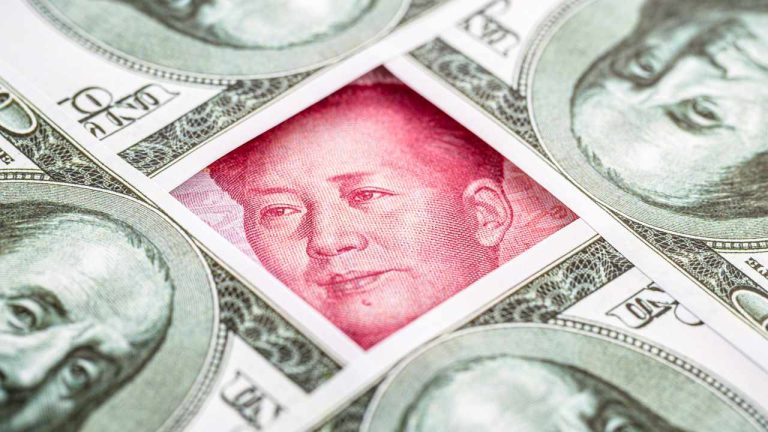
IMF Director: Iranians, Brazilians, Saudis Are Already Switching to Trade in Yuan as De-Dollarization Trend Gains Momentum

The International Monetary Fund’s (IMF) executive director for Russia says a growing number of countries are switching to trade in Chinese yuan, not only with China but also with third countries. He stressed that it is wrong for the U.S. dollar to be widely used globally given that the U.S. government uses the currency “for the purposes of national interests” and “the economic and financial obligations of one country.”

IMF Director on De-Dollarization Gaining Momentum Worldwide

The International Monetary Fund’s (IMF) executive director for Russia, Aleksei Mozhin, shared his thoughts on the global de-dollarization trend in an interview with RIA Novosti Monday.

He explained that Washington’s policies and actions have compelled countries around the world to seek alternatives to the U.S. dollar, noting that more nations are ramping up the use of alternative currencies, particularly the Chinese yuan, in cross-border transactions. The IMF executive director described:

We can see that Iranians, Brazilians, and Saudis are already switching to trade in yuan, not only with China but also with third countries.

Mozhin associated the U.S. dollar’s long-standing dominance in the global economy with a lack of competition since most international settlements and deposits worldwide are in dollars. He pointed out that some U.S. officials have sounded the alarm on the risk of the USD losing its world’s reserve currency status.

Treasury Secretary Janet Yellen recently acknowledged that the use of financial sanctions could erode the dominance of the U.S. dollar. U.S. Senator Rand Paul similarly warned that the USD is losing its hegemony. “I think our foreign policy has something to do with that … We’ve pushed all of our adversaries farther and farther away from us and closer and closer together,” said the lawmaker.

Mozhin anticipates a gradual decline in the dominance of the USD, stating:

It’s clear that it will not happen at once, but the process has begun.

Russia has been replacing the U.S. dollar and euro with alternative currencies in foreign settlements, significantly reducing bank accounts and transactions involving Western currencies. The share of the dollar and euro in Russia’s international settlements dropped from 90% in early 2022 to below 50% by the end of last year, Russian Deputy Minister of Economic Development Vladimir Ilyichev recently revealed, emphasizing that this trend is likely to continue.

Noting that the U.S. government uses the dollar “for the purposes of national interests” and “the economic and financial obligations of one country,” the IMF director concluded that it is “wrong” for the USD to be widely used globally.

Do you agree with the IMF executive director for Russia about the U.S. dollar? Let us know in the comments section below.


source https://news.bitcoin.com/imf-director-iranians-brazilians-saudis-switching-to-trade-in-chinese-yuan-as-de-dollarization-gains-momentum/

Komentar

Postingan populer dari blog ini

Kucoin Hacked for $150 Million in Bitcoin; Bitfinex and Tether Freeze $33 Million of the Stolen Funds

Cryptocurrency exchange Kucoin may have been hacked for $150 million in bitcoin and multiple ERC20 tokens. The Singapore-based exchange confirmed the September 25 security breach, but did not disclose the amount stolen. “Bitcoin, ERC-20 and, other tokens in Kucoin’s hot wallets were transferred out of the exchange,” said Kucoin in an update on Saturday. Meanwhile, Bitfinex and Tether, issuers of the centralized stablecoin USDT , immediately froze a combined $33 million worth of USDT suspected to be part of the funds looted in the Kucoin hack – an action that has stirred questions around the influence of centralized platforms. Paolo Ardoino, chief technology officer of both entities, tweeted that Bitfinex froze $13 million USDT on EOS as part of the hack. Tether froze $20 million USDT “sitting on this ethereum address as a precautionary measure,” he said. In its update, Kucoin maintains that funds in its cold wallets (offline storage, which is less susceptible to hacks) ar...

Pi Network: Menambang Cryptocurrency Gratis dan Anti Monopoli

Pi Network - Mulai Menambang Gratis Pi Network: Menambang Cryptocurrency Gratis dan Anti Monopoli Pi Network adalah proyek cryptocurrency yang memungkinkan Anda menambang Pi Coin secara gratis dan tanpa perangkat keras canggih. Hanya dengan menggunakan ponsel Anda, Anda bisa bergabung dalam jaringan blockchain yang sedang berkembang ini. Potensi Pi Network: Dengan semakin banyaknya pengguna, Pi Coin bisa menjadi mata uang digital yang sangat berharga di masa depan. Menambang Anti Monopoli: Tidak seperti penambangan tradisional, Pi Network memungkinkan siapa saja untuk berpartisipasi tanpa memerlukan perangkat keras mahal. Cara Menambang: Cukup unduh aplikasi Pi Network, daftar, dan mulai menambang hanya dengan menekan tombol di aplikasi setiap hari. Mulai Menambang Pi Network Gratis

Pi Coin dan Potensinya Kedepan Menurut Pakar Crypto Dunia

Apa Itu Pi Coin? Pi Coin adalah token yang beroperasi di atas Pi Network, sebuah proyek yang bertujuan membuat penambangan cryptocurrency dapat diakses oleh lebih banyak orang. Berbeda dengan Bitcoin, pengguna tidak perlu perangkat keras mahal—cukup dengan aplikasi smartphone. Dengan 35 juta pengguna yang disebut Pioneers, Pi Network berfokus pada membuat crypto lebih ramah pengguna dan ramah lingkungan. Peluncuran Open Network: Apa yang Akan Datang? Peluncuran Open Network pada 20 Februari 2025 menjadi titik penting bagi Pi Coin. Setelah tanggal ini, Pi Coin akan dapat terhubung dengan jaringan lain, membuka kemungkinan perdagangan di platform seperti WEEX, sebuah platform perdagangan futures crypto baru. Permintaan Pi Coin diperkirakan akan meningkat, yang berpotensi membuat harganya naik tajam. Tantangan Regulasi Namun, jalan Pi Coin tidak mulus. Proyek ini menghadapi tantangan regulasi yang cukup berat. Kepatuhan terhadap KYC (Know Your Customer) dan AML (Anti-Money Laundering) men...