BRICS Bank to Offer More Loans in Local Currencies — President Calls for ‘Diversified Global Currency System’
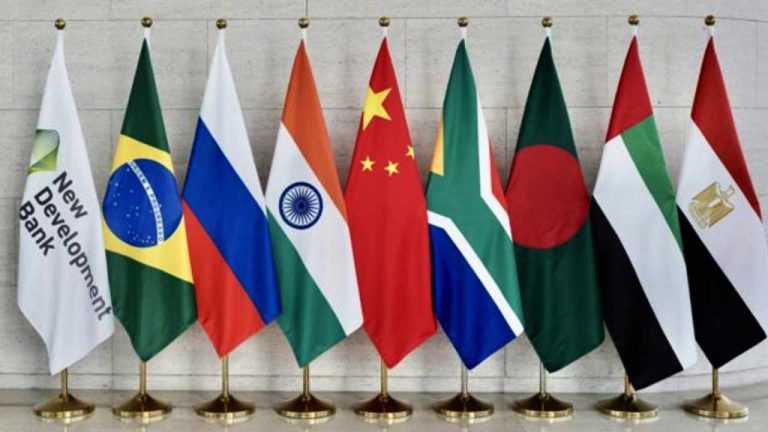
The New Development Bank (NDB), aka the BRICS bank, is seeking to offer more loans in local currencies to reduce dependence on the U.S. dollar and avoid foreign exchange risk. “We need to create a diversified global currency system,” NDB’s president stressed, adding: “In the future, it is unlikely that one single currency can dominate the world’s currency system. We will see more local currencies used to settle trade.”
‘We Will See More Local Currencies Used to Settle Trade’
The New Development Bank (NDB), formerly known as the BRICS Development Bank, is seeking to finance more projects in local currencies. The NDB was founded by the BRICS nations, namely Brazil, Russia, India, China, and South Africa. Besides the five founding members, Bangladesh, the United Arab Emirates (UAE), and Egypt have also joined. In addition, Uruguay is currently a prospective member, and recent reports suggest that Saudi Arabia is engaged in discussions to potentially become a member.
NDB President Dilma Rousseff said Tuesday at the annual meeting of the Shanghai-based lender that the bank plans to offer 30% of its loans in local currencies, up from 22% at present. The bank currently uses the U.S. dollar for most of its financing operations. Rousseff said at a press briefing:
We need to create a diversified global currency system … In the future, it is unlikely that one single currency can dominate the world’s currency system. We will see more local currencies used to settle trade.
The executive also highlighted that the NDB intends to strengthen collaboration with other multilateral and national banks. Additionally, the bank aims to broaden its reach and impact globally by actively inviting more members to join, thereby expanding its business operations and influence. According to its website, the bank has approved 96 projects, amounting to a combined approved financing of $32.8 billion.
During an interview with Chinese media outlet CGTN last month, Rousseff explained:
It is necessary to find ways to avoid foreign exchange risk and other issues, such as being dependent on a single currency, such as the U.S. dollar.
What do you think about the New Development Bank (NDB) seeking to fund projects in local currencies to reduce dependence on the U.S. dollar? Let us know in the comments section below.
source https://news.bitcoin.com/brics-bank-to-offer-more-loans-in-local-currencies-president-calls-for-diversified-global-currency-system/
Komentar
Posting Komentar