Brazil Bans Telegram Temporarily Due to Alleged Lack of Collaboration in Fight Against School Violence
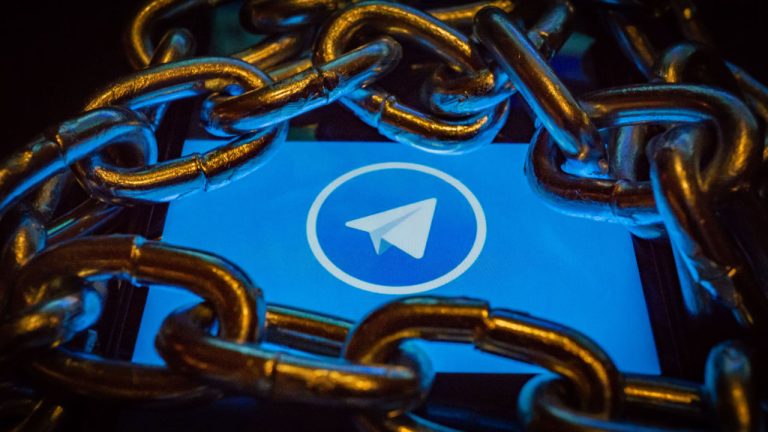
A federal judge in Brazil has ordered the temporary suspension of Telegram in the country and established hefty fines due to the supposed lack of collaboration of the company in a national crusade against school violence. Telegram failed to deliver information regarding the actions it is taking against neo-Nazi groups, and now it has been blocked by most internet providers in Brazil.
Brazil Blocks Access to Telegram Apps
A federal judge ordered a nationwide ban on Telegram, the popular messaging app, on April 26, due to its perceived lack of collaboration in a push against school violence. The company behind the app failed to turn over documents regarding the existence of neo-Nazi groups and the measures it is taking against them on Telegram, according to reports from the local journal O’Globo.
In addition, the Brazilian justice system is also fining Telegram for this lack of collaboration to the tune of 1 million Brazilian reals (approx $200,000) for each day that passes without the platform turning in the required documents.
The ban is already in effect, with customers of Vivo, Claro, Tim, and Oi, the main internet providers of the country, being unable to access Telegram’s services. In the same way, the main app providers for mobile operating systems have already removed access to Telegram in their stores.
This was confirmed by Netblocks, an internet observatory organization, which certified that the leading internet service providers (ISPs) are already blocking the access of their users to Telegram; however, Netblocks noted this block could be circumvented using available virtual private network (VPN) apps.
Pavel Durov Speaks
Pavel Durov, CEO of Telegram, defended the actions of the company, stating that it was impossible to deliver the data requested by the Brazilian federal court. On his personal Telegram channel, Durov stated:
In Brazil, a court requested data that is technologically impossible for us to obtain. We are appealing the decision and are looking forward to the final resolution. No matter the cost, we will stand up for our users in Brazil and their right to private communication.
Durov reinforced Telegram’s principles, stating that its mission is to “preserve privacy and freedom of speech around the world.” This is not the first time that Telegram has been subject to this kind of measure. Back on April 2018, the company was also banned in Russia for similar reasons, with Iranian officials calling for a ban on the application that same month.
What do you think about the ban enacted against Telegram in Brazil? Tell us in the comments section below.
source https://news.bitcoin.com/brazil-bans-telegram-temporarily-due-to-alleged-lack-of-collaboration-in-fight-against-school-violence/
Komentar
Posting Komentar