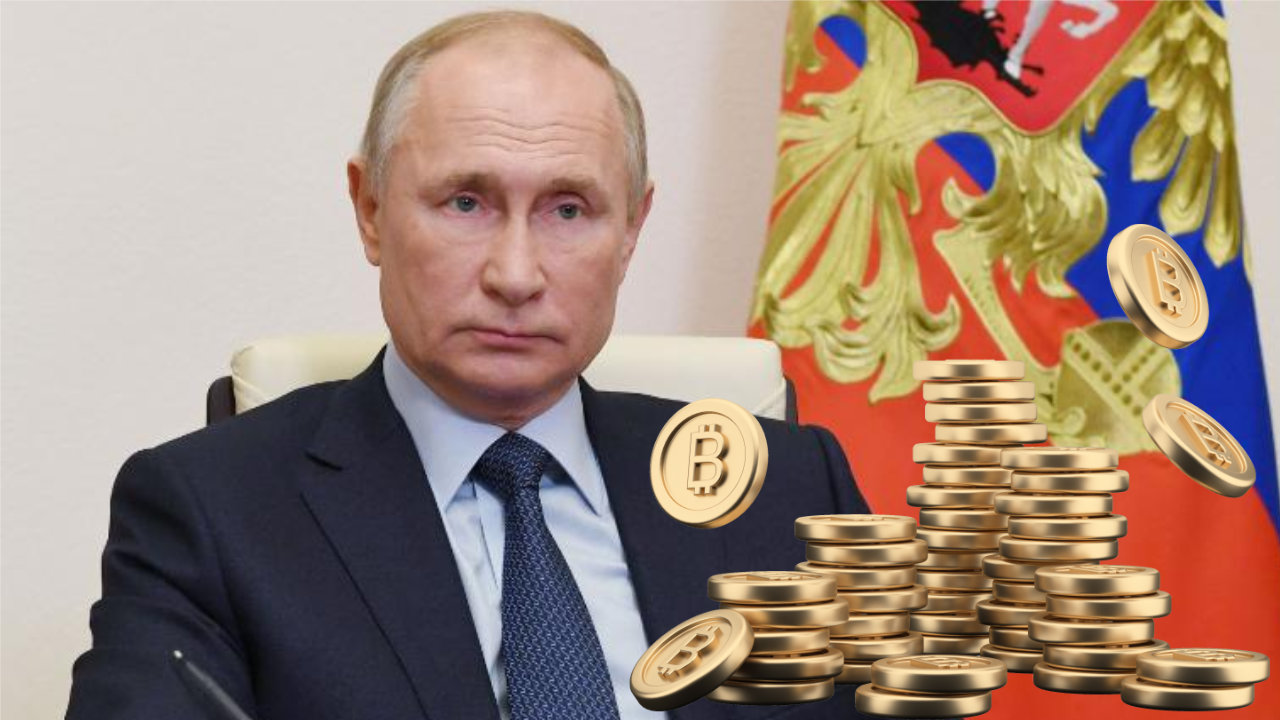
Russia could turn to cryptocurrency if it is banned from the SWIFT payments system. Analysts have warned that if Russia is able to use crypto to evade sanctions, “political support in the U.S. for crypto will fall and regulatory risk will rise.”
Crypto Faces Regulatory Risks if Used by Russia to Evade Sanctions
Amid growing talk of banning Russia from the SWIFT global interbank payments system after its invasion of Ukraine, some analysts have warned that Russian President Vladimir Putin could turn to cryptocurrency to evade sanctions.
“We believe Washington is worried that Russia will use crypto to evade sanctions,” Cowen Washington Research Group analyst Jaret Seiberg reportedly said Friday. He added:
If Russia is able to use crypto this way, then we believe political support in the U.S. for crypto will fall and regulatory risk will rise.
Seiberg believes that since most global trade is still dollar-denominated, it could be challenging for Russia to use crypto to evade SWIFT.
“Paying in bitcoin requires a conversion to dollars, which provides a way to track activity … That also works in favor of crypto,” he said.
If Russia is unable to use cryptocurrency to circumvent sanctions, however, analysts believe that it could boost the viability of crypto in the eyes of regulators.
Seiberg explained that political support of crypto would grow if crypto exchanges help uphold U.S. sanctions and if the government could track evasions using blockchains.
Noting that “For crypto, this could be the crisis that determines how the government treats its use for payments and as a store of value,” the Cowen analyst warned:
Pressure would be on the trading platforms and wallets … This would not just be in the United States. We expect it also would apply in the U.K., EU and in the western allies in Asia.
The U.S. Department of the Treasury sanctioned two Russian crypto exchanges last year. Suex and Chatex were found to have processed transactions tied to ransomware attacks and other illegal activities.
The Treasury Department identified cryptocurrency as a major threat to sanctions programs in a report released last year. “We are mindful of the risk that, if left unchecked, these digital assets and payments systems could harm the efficacy of our sanctions,” the Treasury Department explained.
Do you think Russia will turn to crypto to evade SWIFT and other sanctions? Let us know in the comments section below.
source https://news.bitcoin.com/analysts-warn-regulatory-risks-if-russia-is-able-to-use-crypto-evade-sanctions/
Komentar
Posting Komentar