British Bank Natwest Imposes Daily Limit on Transfers to Cryptocurrency Exchanges Over Fraud Concerns
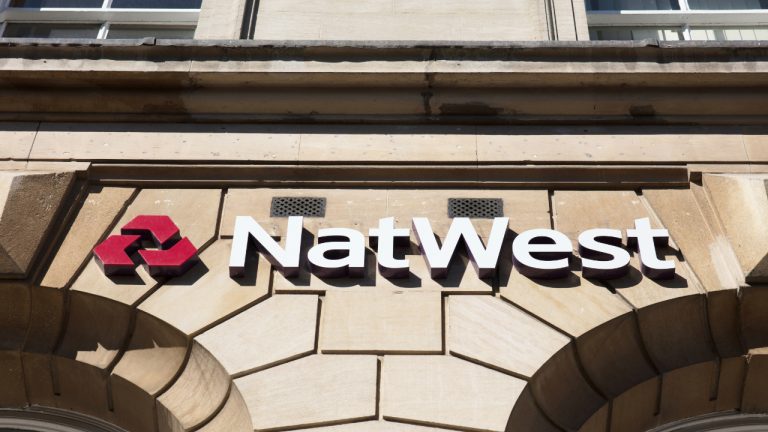
A major British bank, Natwest, has put a limit on fund transfers to cryptocurrency exchanges over concerns of fraud and scams related to cryptocurrencies. The bank is also blocking payments to a number of cryptocurrency asset firms. Natwest says the two moves are necessary to protect customers.
Natwest Places Limit on Transfers to Crypto Exchanges
National Westminster Bank, commonly known as Natwest, is a major retail and commercial bank in the United Kingdom. A spokesperson for the bank told Reuters Tuesday that the bank has capped the daily amount customers can send to cryptocurrency exchanges due to concerns over investment scams and fraud.
“We have seen a high level of cryptocurrency investment scams targeting our customers across retail and business banking, particularly through social media sites,” the spokesperson said, elaborating:
To protect our customers from the criminals exploiting these platforms, we’re temporarily reducing the maximum daily amount that a customer can send to cryptocurrency exchanges as well as blocking payments to a small number of cryptocurrency asset firms where we have seen particularly significant levels of fraud-related harm for our customers.
The cap is temporary and was imposed on June 24 to target a number of cryptocurrency exchanges and digital asset firms, the spokesperson added, noting that the maximum amount is typically thousands of pounds but the exact amount depends on the platform.
The exchanges targeted by Natwest include Binance, which the U.K.’s financial regulator, the Financial Conduct Authority (FCA), issued a consumer notice about last week. The FCA said that Binance withdrew its application to register a crypto business in mid-May.
Under the crypto regulation, companies wanting to provide crypto-related services must register with the FCA, which oversees compliance with laws designed to prevent money laundering and terrorist financing.
In May, Natwest alerted customers with tips to avoid cryptocurrency scams. “We have prevented millions of pounds from being sent to crypto-criminals who are exploiting the high levels of interest in the currency,” the bank said at the time. In April, there were reports that Natwest reportedly refused to service businesses that accept cryptocurrencies.
Natwest is not the only bank scrutinizing cryptocurrency transactions. Earlier this month, another British bank, TSB, said it planned to ban crypto purchases due to increasing fraud cases.
What do you think about Natwest’s crypto policy? Let us know in the comments section below.
source https://news.bitcoin.com/british-bank-natwest-imposes-daily-limit-on-transfers-to-cryptocurrency-exchanges-over-fraud-concerns/
Komentar
Posting Komentar