Despite the global coronavirus pandemic, Japan continues to approve more cryptocurrency exchanges to legally operate in the country. The latest one was approved on Monday, bringing the total number of legal crypto exchanges in Japan to 23.
Also read: 2x Bitcoin — Wanna Double Your BTC to the Moon? Forget About It
First Approved Crypto Exchange This Year
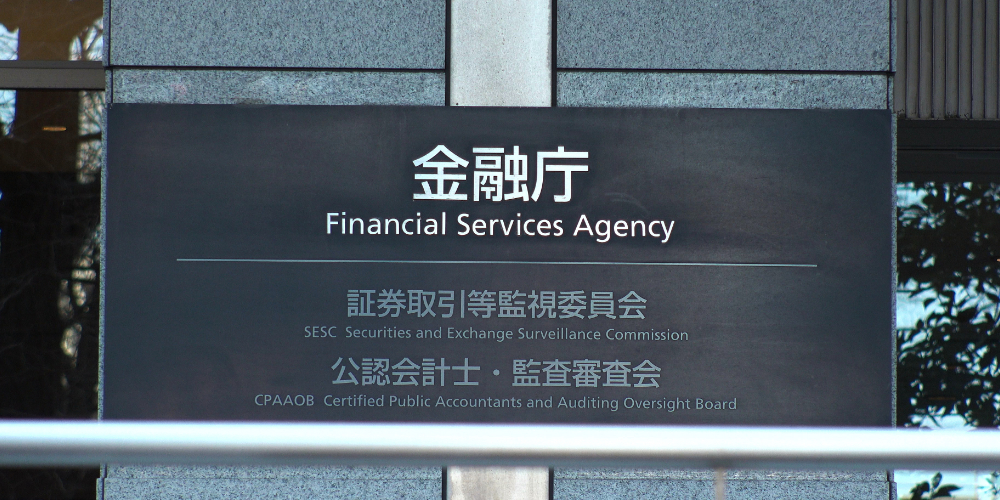
Japan’s top financial regulator, the Financial Services Agency (FSA), registered another cryptocurrency exchange operator on Monday. Japan legalized cryptocurrencies as a means of payment under the amended Payment Services Act back in April 2017 and crypto exchange operators are required to register with the FSA. The agency started registering them in September 2017.
The latest one registered by the FSA was Okcoin Japan, the Japanese subsidiary of Ok Group. Founded in September 2017, the Tokyo-based exchange has been approved to trade BCH, BTC, ETH, ETC, and LTC, according to the FSA’s website. The exchange will soon launch; it is currently accepting pre-registrations for account opening.
Okcoin Japan is also a member of the Japan Virtual Currency Exchange Association (JVCEA), a self-regulatory organization approved by the FSA. The agency is closely cooperating and exchanging information with the association. The JVCEA has established some self-regulatory guidelines for crypto exchanges to follow.
All 23 FSA-registered crypto exchanges in Japan are “Class 1” members of the JVCEA. The organization also has “Class 2” members comprising companies that are not yet licensed by the FSA, such as Coinbase, Payward Asia, and Wirex Japan.
23 Approved Crypto Exchanges in Total
Besides Okcoin Japan, there are 22 other registered cryptocurrency exchange operators in the country. In September 2017, 11 of them were registered: Money Partners, Quoine, Bitflyer, Bitbank, SBI VC Trade, GMO Coin, Huobi Japan (formerly Bittrade), Btcbox, Bitpoint Japan, Fisco Cryptocurrency Exchange, and Tech Bureau. Tech Bureau was acquired by Fisco after it was hacked in September 2018. However, the two platforms continue to operate independently and are still listed on the FSA’s website as two separate entities.

On Dec. 1, 2017, DMM Bitcoin, Taotao (formerly Bitarg), Bitgate, and Xtheta were registered. Bitocean followed suit on Dec. 26. In 2018, no crypto exchange operator was registered due to the hack of Coincheck, one of the largest crypto trading platforms in the country. The FSA subsequently tightened its oversight of the industry, conducted on-site inspections of exchanges, and revised its method of approval. After the hack, Coincheck was acquired by Monex Group and was finally registered with the FSA on Jan. 11 last year.
In addition, the agency approved five more crypto exchange operators last year. Rakuten Wallet and Decurret were registered on March 25, LVC on Sept. 6, Lastroots on Nov. 27 and Fxcoin on Dec. 24. LVC is a subsidiary of Line Corp., owner of Japan’s most popular chat app, Line. Soon after it successfully registered with the FSA, the company launched a crypto exchange called Bitmax.
What do you think of the rate at which Japan approves crypto exchanges? Let us know in the comments section below.
The post 23 Approved Cryptocurrency Exchanges in Japan — Number Rises Amid Pandemic appeared first on Bitcoin News.
source https://news.bitcoin.com/cryptocurrency-exchanges-japan/
Komentar
Posting Komentar